
Why Choose Us
Patent
We have nearly 100 commodity brands (registered trademarks have been obtained); 5 invention patents; 4 appearance patents..
Our Certificate
MDD Product Qualification:FDA 510(K), EN 455, ASTM DS250, ASTM D6319.GMP, SGSEN ISO 13485, SGS EN ISO 13485, SGS EN ISO9001
Rich experience
We have more than 20 years of trading experience, and have more than 50 countries buyers.
Competitive Price
With professional technicians\advanced equipment, we can provide quality products and competitive prices.
Medical gloves are gloves which are designed to be used in a medical situation, for example during a doctor's examination or during surgery. They are always disposable to ensure no cross-contamination happens and are designed to be close to the skin, giving you a great level of dexterity and control when using the gloves.
-

Food Grade Nitrile Examination Gloves
Food grade nitrile examination gloves, Ultra Strong Nitrile Gloves, Hand Protection Nitrile Exam
Add to Inquiry -
Disposable Nitrile Examination Gloves – Powder free, Non Sterile, Ambidextrous, Medical Grade.
Add to Inquiry -
Powder Free Vinyl Examination Gloves
Powder Free Vinyl Examination Gloves, Medical Vinyl Exam Gloves, Clear Vinyl Powder Free, Latex
Add to Inquiry -
Sterile Latex Surgical Gloves Powder Free
Sterile Latex Surgical Gloves Powder Free, Sterile Latex Powder Free Gloves, Latex Surgical Gloves,
Add to Inquiry -
Nitrile Powder Free Exam Grade Gloves
Nitrile Powder Free Exam Grade Gloves, Safety Gloves, Powder Free, Extra Large. Material: Nitrile
Add to Inquiry -
Nitirle Examination Gloves Black
Nitirle Examination Gloves Black, Disposable Gloves, Latex & Powder Free, Food Save, Small.
Add to Inquiry -
Powder Free Vinyl Exam Gloves Medium
Powder free Vinyl Exam Gloves Medium, Medical Vinyl Gloves, 100% Allergen-Free, Food Save.
Add to Inquiry -
Vinyl Exam Gloves Large, Medical PVC Examination Glove, Food Safe, Non-Sterile, No Powder,
Add to Inquiry -
Latex Exam Gloves Powder Free, White Latex Disposable Medical Gloves, High Flexible Latex Exam
Add to Inquiry -
Nitirle Examination Gloves Purple
Nitirle Examination Gloves Purple, Nitrile Exam Gloves, Nitrile Exam Gloves Disposable, Medical
Add to Inquiry -
Nitrile Examination Gloves Powder-free
Nitrile Examination Gloves Powder-free, Medical Grade Nitrile Gloves, No Powder, Latex Free,
Add to Inquiry -
Sterile Latex Medical Surgical Gloves
Sterile Latex Medical Surgical Gloves, Disposable Medical Latex Surgical Gloves, Without Powder,
Add to Inquiry


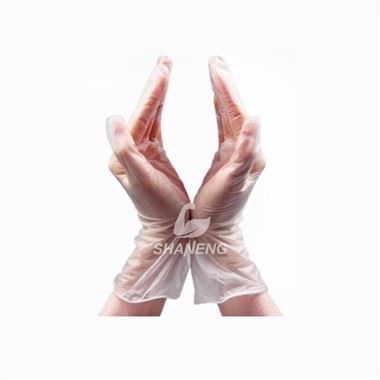


Benefits of Medical Gloves
Chemical Protection
Hevea brasiliensis, popularly known as the rubber tree, is the source of latex, a kind of natural rubber. This material is perfect for disposable Medical Gloves because it offers a high degree of protective clothing against chemicals.Several thicknesses of Medical Gloves are made to provide varying degrees of protection. But latex inherently resists chemicals like bleach, iodine, and formaldehyde, as well as acids, bases, and other substances.
Damage Resistance
Producing gloves with a specific thickness thanks to natural rubber latex improves their puncture resistance. Heavy-duty Medical Gloves can be utilized for demanding operations, including industrial and automotive applications, and last longer than other materials. In the culinary and medical industries, the capacity of the gloves to endure contact with various instruments and equipment is crucial.
Outstanding Hand Dexterity
Among their notable advantages are the snug fit and great tactile and touch sensitivity of Medical Gloves. They more closely adhere to the hand than nitrile and vinyl versions. Pharmaceutical-grade rubber gloves are excellent for operations or dental procedures where medical workers must handle small objects and make precise movements.
Available in Various Colors
While a variety of hues may be only an aesthetic consideration when choosing Medical Gloves, it is far more important. A simple yet efficient approach to stop cross-contamination in the workplace is to have gloves in a variety of colors. It is simpler for personnel to prevent unintentionally spreading toxins from one area to another by designating different colors for particular tasks or workplace locations.
Types of Medical Gloves
Exams gloves
Healthcare professionals working as caregivers need these gloves. These people need them to protect themselves and others from cross-contamination during and after participating in some medical procedures, such as blood extractions and physical examinations of patients. Healthcare workers use these gloves while working in unsanitary conditions, such as collecting urine and other waste materials of patients. These gloves need to be disposed of every after use to prevent the spread of diseases.
Surgical gloves
Surgeons and other health professionals exposed to blood, infections, sharp tools and instruments, and other disease-causing objects and substances need these types of gloves. Users and wearers cannot afford to have their gloves punctured or damaged while using them. Hence, these gloves need to be of high quality. Specifically, nitrile, which renders the gloves highly durable and resistant to puncture, must be used.
Regulation
The Food and Drug Administration (FDA) is responsible for regulating medical grade disposable gloves in the United States. The FDA sets standards for the materials and manufacturing processes used to make these gloves, and also sets standards for the labeling and packaging of the gloves. All medical gloves sold in the United States have to get a 510(k) premarket approval from the FDA.Medical gloves are considered as a Class I reserved medical device by the FDA, and are generally tested to ensure performance. The criteria for these tests are biocompatibility, physical properties and leak resistance.Additionally, the FDA conducts random inspections of manufacturing facilities to ensure that they are following good manufacturing practices (GMPs) and that the gloves they are producing are safe and effective for use.
Testing
Before a medical exam glove can be sold in the United States, that glove must go through a series of tests to ensure that it meets certain safety and performance standards. These tests are conducted by independent, third-party testing laboratories that are accredited by the American National Standards Institute. The accreditation is often abbreviated to ANSI/ISEA 105 and is specific to the United States.One of the most important tests for disposable gloves is the physical properties test. This test measures the gloves' thickness, tensile strength, and puncture resistance to ensure that they are strong enough to protect the user. The gloves are also tested for their barrier protection properties, which measures the gloves' ability to prevent the passage of liquids and microorganisms through the glove material. Gloves are also tested for their Abrasion resistance and cut resistance.
Medical Glove Materials


Latex
This is the classic material medical gloves are made from. Latex offers a strong glove which will resist tears and punctures while still giving a lot of touch sensitivity, making them ideal for medical use. However, as latex glove use has gone up, so has the chance of latex allergies, and for doctors and patients who are allergic to latex a different material is needed.
Nitrile
These gloves are made from a synthetic rubber and are the best gloves for resisting punctures. As it contains no latex it is commonly used as an alternative to latex gloves when allergy is a concern as it still gives a tight fit around the hand. Given their durability, nitrile gloves are often used in medium and high risk examinations.
Vinyl
Like nitrile, vinyl gloves contain no latex and are often used where a latex allergy can be an issue. However, they do not have as tight a fit as nitrile or latex gloves and are not as puncture-resistant. Because of this they are usually only used in low risk examinations where there is no chance of encountering bodily fluids or blood.
Differences in Material
Gloves are often made from either latex, nitrile or vinyl. Which material is used to make a new set of gloves depends on the tasks they're intended for.Latex is a popular choice in both medical and industrial settings because of its flexibility and how well it fits your hand. Though Natural Rubber Latex (NRL) gloves are comfortable and allow for dextrous work, latex sensitivity is so widespread that it isn't always the practical choice in healthcare settings. When it is a feasible choice, it can help you withstand high heat and resist caustic substances and detergents.
Differences in use Cases
Disposable gloves are categorized according to their intended use. Medical gloves-including examination and surgical gloves, and those used to handle chemotherapy agents-are categorized by the FDA as medical devices that need to pass stringent technical tests before they can be labeled as safe for surgery or medical examination. This means they're vetted for things like stretchability, leak and have an AQL of 2.5. Industrial grade (or general purpose) gloves fall under the FDA's jurisdiction if they are used in the food industry. These general purpose gloves are generally used as personal protection for janitorial and sanitation tasks, or for non-medical laboratory tasks.
The Question of Powder
In 2016, the FDA published a rule banning the use of powder on surgical and examination gloves. While powder acts as a lubricant and helps you don and doff gloves more easily, they are linked to avoidable health risks including severe airway inflammation and allergic reactions such as asthma. Latex and nitrile medical gloves are therefore now typically chlorinated or coated with polymers to aid with donning and doffing in these environments. On the other hand, powdered general purpose gloves remain a practical choice outside of medical examination and surgical settings.
Size
Finding the right sized glove maximizes comfort and dexterity, and also ensures your safety-if your gloves are too loose, they might slip off and increase the likelihood of microbial contamination. Gloves that are too small or tight contribute to hand fatigue and decreased dexterity.
Texture
A textured surface can improve grip in wet and dry conditions. Before you purchase, however, you'd need to confirm whether you'd do best with fully textured gloves, or ones that are only textured on the fingertips.
Color
While color seems like a matter of preference, distinct colors can help you distinguish between different kinds of gloves. In a busy healthcare setting, this can save you precious seconds. In the food industry, brightly colored gloves help identify any fragments that might contaminate food after a rip or tear.
Finishes
Chlorination and polymer coating are alternative finishes to powder, and help with donning and doffing medical grade gloves. Chlorination, for example, will make the glove have a satin-like finish while also reducing the latex allergen content. Industrial, or general purpose gloves may be powdered. This finish absorbs moisture and makes them easier to wear for long periods.
How to Choose Medical Gloves
Type of Material
Disposable gloves with an acceptable AQL rating come in a variety of materials. One of the first things you should consider is your glove material preference. Different glove materials are useful for different purposes, so it's a good idea to learn about the available options before making a bulk purchase.
Sterile vs. Non-Sterile
For a glove to have a “sterile” rating, it must meet strict FDA guidelines. Sterile medical gloves are acceptable for surgical purposes, so they must have the best possible AQL ratings. Sterile gloves must have an acceptable quality level of 1.5 or lower. As mentioned above, examination gloves can have an AQL as high as 2.5, so sterile gloves can be considered even safer. Because their manufacture requires strict testing, sterile gloves may have a higher price.
Powdered vs. Non-Powdered Gloves
You may come across powdered and non-powdered glove options. Powdered gloves feature cornstarch coatings, which makes them easier to put on and prevents them from sticking together. Though this can improve convenience, the FDA has banned powdered gloves for surgery and patient examination purposes.According to the FDA, the risks of powdered gloves in medical settings outweigh the benefits. The powder can cling to the wearer's skin, causing irritation, inflammation or allergic reactions. It can also cause surgical complications involving peritoneal adhesions, which are a type of bond between a person's organs.
Glove Thickness
You should also consider glove thickness. Thicker gloves provide a stronger protective barrier. They also better resist tears, allowing for a longer wear time. A heavy-duty, industrial-grade glove will offer more thickness than a lighter, thinner glove.With that said, a thicker glove may dull touch sensitivity, which isn't ideal in certain settings. If your application requires a high level of touch sensitivity, you might opt for thinner gloves made from a durable material, such as nitrile. When browsing glove options, look for thickness measurements in mils.
Tactile Sensitivity
Certain situations call for a high level of tactile or touch sensitivity. For instance, a surgeon needs unimpaired touch sensitivity to perform surgery with the necessary precision and accuracy. Tactile-sensitive gloves made of a lightweight material will allow for precision levels similar to an ungloved hand. Sensitivity may also be necessary for a number of applications, including food preparation, electronic handling and pharmaceuticals.
Glove Comfort and Fit
You should also consider glove comfort and fit, including various size options. Depending on your application, your staff may need to wear gloves while performing complex tasks. They may also need to wear their gloves for extended periods. It's vital to choose comfortable gloves-an uncomfortable glove may hinder someone's ability to perform their necessary responsibilities.
How to Maintain Medical Gloves
Medical Gloves should be stored in a cool environment, ideally between 10 and 25 degrees Celsius (50 and 72 degrees Fahrenheit). They should never be stored at temperatures higher than 30°C (90°F) or in extremely cold conditions.
Keep gloves away from direct sunlight and heat sources, including radiators, motors, electrical equipment, and fluorescent lights that produce ultraviolet light.
Gloves degrade more rapidly when exposed to dust and moisture. Therefore, ensure your storage area is dry and has effective ventilation.
Keep the gloves in their original packaging until use to protect them from environmental exposure.
The manufacturer's storage guidelines are based on comprehensive testing and should be adhered to for optimal glove performance.
Our Certifications

Our Factory
Xi'an Shanneng Medical Technology Co., Ltd. was established in 2021 and located in Xi'an High-tech Industrial Development Zone. We committed to the research , production and sales of biomedicine, health food, medical equipment and cosmetics. The company maintains close scientific exchanges and cooperation with many domestic universities and R&D institutions (Such as: Science and Technology Exchange and Cooperation Center of Chinese Academy of Traditional Chinese Medicine, Shaanxi Province Chinese Medicine Research and Development Center, Academy of Life Sciences, Northwest University, China Health Association, Shaanxi Food Industry Association, etc.)


FAQ
Q: Which gloves are best for medical use?
Q: What are the two types of medical gloves?
Q: How to choose medical gloves?
Q: What are medical grade gloves?
Q: Do doctors use latex or vinyl gloves?
Latex gloves have been the recommended protection in the medical world for decades against bloodborne pathogens. They are made from thin latex rubber, making them highly flexible, malleable, and offering excellent touch sensitivity.
Q: What gloves do surgeons use?
Q: What is the most common type of gloves used in the hospital?
Q: What type of gloves are recommended?
Q: What does mil mean for gloves?
Glove thickness is usually given in the unit mils, which is equal to one one-thousandth of an inch; therefore, a glove that is 10 mil, is 0.010 inches thick. A thicker gauge glove will provide more protection than a thinner glove of the same material, but often at the expense of touch-sensitivity and dexterity.
Q: Which is better, nitrile or latex gloves?
Q: Why are latex gloves not used in hospitals?
Q: Is it better to size up or down in gloves?
Q: Why are latex gloves not used anymore?
Q: Why don t hospitals use latex gloves?
Q: What size medical glove am I?
Q: When not to use latex gloves?
Q: What kind of gloves do gynecologists use?
Q: What type of glove is most common in healthcare?
Q: Why do surgeons wash their hands if they wear gloves?
Q: What is the powder in gloves called?
In powdered latex gloves, the inside of the glove is coated in a fine powder – usually cornstarch-which makes the gloves easier to don and remove, effectively reducing the risk of tearing the glove. The powder can also help to enhance grip and reduce sweating inside the glove, which reduces moisture.
As one of the most professional medical gloves manufacturers and suppliers in China, we're featured by quality products and competitive price. Please rest assured to buy or wholesale cheap medical gloves in stock here from our factory.
disposable plastic overalls, biodegradable surgical gloves, Medical Vinyl Examination Gloves