Does The Spread Of COVID From Things To People Really Exist
Oct 08, 2022
On the evening of October 3, the daily news of Tianshan Net-Xinjiang (reporter Su Luping) held a press conference on epidemic prevention and control. At the meeting, Ni Mingjian, chief expert of the Centers for Disease Control and Prevention, Xinjiang Autonomous Region, answered questions from reporter.
Currently, there is uncertainty about the epidemic prevention and control situation in our region. This is especially true in some areas related to the pandemic. The risk of transmission remains high. Continued detection of positive infected people. The possibility of waste items, garbage, and surface of the object contains a virus continued to increase. Therefore, it leaves many people with doubts about the spread of germs from different things to people.
Here we can tell everyone clearly that the chances of spreading germs from things to people are minimal, or there may not be any material transmission to real people. Although there are viruses that live on the surfaces of those objects, transmission occurs because we ourselves do not pay attention to hand hygiene. And the infection is caused by touching the mucous membranes of the eyes, mouth and nose after touching an object.

Existing research shows that viruses ejected from people infected with COVID can be contaminated on material surfaces, but viruses contaminated on those surfaces can no longer reproduce. The virus decays over a short period of time under normal temperature conditions. The survival time of the virus on the surface of different things also varies. Generally no more than 24 hours.
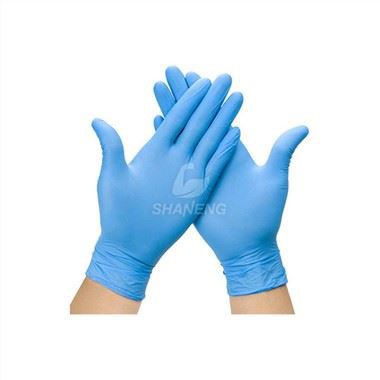
However, due to the remnants of the nucleic acid of the virus, A nucleic acid test at this time or later can also appear positive. But will not be infected If the temperature is low, humidity, and virus concentration is high, it may prolong the survival of the virus on surfaces of objects such as frozen food being contaminated. The survival time of the virus will be longer. Therefore, when buying frozen food, you should minimize direct contact as much as possible, or wear nitrile gloves and pay attention to hand hygiene. Frozen food should be cooked first for confident eating.